
Is it safe to sleep in a moldy tent? Enthusiasts of camping trips and nature often find solace in the great outdoors, seeking comfort in the simplicity of a tent fabric beneath the open sky. However, a persistent concern revolves around the potential presence of mold thrives in these seemingly secure retreats.
Before exploring this article, sleeping in a moldy tent for a day or two isn’t quite safe if you have a low immune system or health problems such as Asthma, etc. However, there are exceptions when it’s a mild moldy tent, and you don’t have irritations easily, sleeping a night may not cause harm.
This article explores in detail, mold exposure in tents, examining its various types, health implications, indicators, preventive measures, and alternatives. Let’s get into the article!

Can sleeping in a moldy tent harm wellbeing?
Yes, sleeping in a moldy tent can harm the well-being of campers.
Mold, a type of fungus, thrives in damp and humid environments, potentially appearing at unsightly patches on camping trip fabric can pose health risks to campers.
Molds can be more harmful if campers already have underlying health issues. Best to ensure that the tent you wish to sleep in is void of molds for safety reasons and health concerns.
Can black mold especially pose health risks to the human body?
Yes, prolonged exposure to the human body can lead to more severe health issues, particularly in individuals with weakened immune systems. This mold is characterized by its dark black or greenish-black color and often exhibits a slimy or wet texture. It tends to thrive in areas with excessive moisture, such as water-damaged buildings, damp basements, or places with chronic water leaks.
Tents can be infested with occasional mold spots, some more harmful than others. Ensuring the absence of this mold can aid an enjoyable camping experience.
Is mildew harmful?
Mildew usually appears as white, gray, or yellowish growth on surfaces and has a powdery or fluffy texture.
Mildew thrives in damp environments, often found on organic materials like plants, fabrics, or paper. While generally less harmful, mildew may still cause allergic reactions or respiratory issues in sensitive individuals. However, understanding this helps your next camping trip assess the severity of the situation.

Health implications
Respiratory challenges
Inhaling mold spores can lead to difficulty breathing, particularly for individuals with pre-existing respiratory issues such as asthma.
Allergic responses
Allergic reactions to mold can range from mild discomfort to severe responses, emphasizing the need to promptly identify and address mould infestation in tents.
Long-term health ramifications
Continuous exposure to mold and sleep in a moldy environment may result in lasting health issues, underscoring the importance of maintaining a mold-free camping tent environment.
Indicators of mold: recognizing the silent invader
Visible mold patches
- Detecting visible mold stain patches on tent surfaces is crucial for early intervention and remediation.
Musty odors
- Unpleasant smells emanating from the tent may indicate mold dangerous growth, prompting campers to investigate further.
Personal health symptoms
- Recognizing personal health symptoms such as sneezing or congestion can signal mold exposure and warrant closer inspection.
Contributors to mold growth: battling the fungal foe
Impact of humidity
Elevated humidity levels create a conducive environment for mold spores growth, underscoring the importance of moisture control.
Ventilation challenges
Inadequate airflow within the tent can exacerbate mold spores issues, making proper ventilation a key preventive measure.
Risk of water leakage
Leaky tents can quickly become breeding grounds for mold spores, highlighting the need for waterproofing and regular inspections.
Evaluating tent condition: a tent’s tale
Regular tent inspections
Frequent tent inspections are crucial for early detection of mold, allowing campers to address issues before they escalate.
Maintenance strategies
Simple cleaning and maintenance routines can significantly kill mold problem, extending the life of the tent. If you notice at any point the presence of a rain fly, remove it to help preserve the tent condition.
Knowing when to replace a tent properly
In some instances, replacement may be the only viable option, safeguarding campers against persistent tent moldy issues.
Hazards of sleeping in a moldy tent: weighing the risks
Immediate health concerns
- Is it safe to sleep in a moldy tent? Sleeping in a moldy tent fabric poses immediate health risks, and understanding these risks empowers campers to make informed decisions.
Long-term health consequences.
- The cumulative effects of prolonged exposure necessitate careful consideration of potential long-term consequences.
Impact on gear and equipment
- Mold doesn’t only affect health; it can also compromise the integrity of camping gear, adding an economic dimension to the issue.
Precautions before sleeping in a tent: fortifying against mold
Thorough inspection and cleaning: Thoroughly inspecting and cleaning the tent before each use is a fundamental step in preventing mold-related issues.
Because cleaning can help ensure the environment is safe to sleep in and not harmful to the human body at any point.
Ensuring adequate ventilation: Proper ventilation within the tent helps minimize the risk of mold growth, enhancing overall camping comfort.
Implementing waterproofing measures: Fortifying the tent against water intrusion through waterproofing measures is a critical factor to prevent mold.
Techniques for remediating moldy tents: taking action
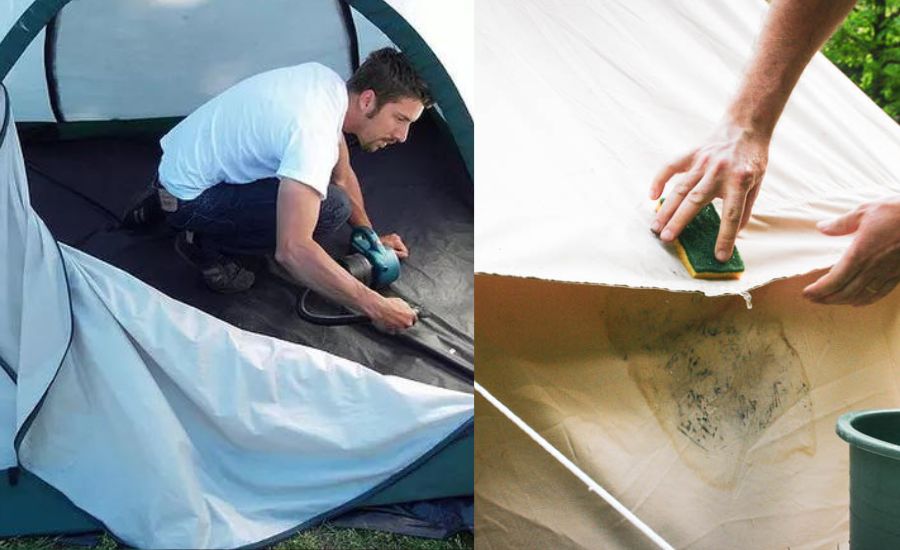
Guidelines for safely and effectively cleaning mold-infested tent surfaces, offering a DIY approach to remediation;
- Consider tents made from mold-resistant materials as a proactive measure against future infestations.
- Fill a bucket with warm water. The warm water aids in breaking down mold and facilitates a more thorough cleaning process.Add a mild detergent, lemon juice, commercial mold cleaners, or a mixture of vinegar, lemon juice, and salt to the warm water. Avoid using harsh chemicals that could damage the tent material. Using a soft brush with some elbow grease, gently scrub all the mold-affected areas in circular motions. Once thoroughly scrubbed, leave the tent to completely dry.FOR BLACK MOLDMix the white vinegar, hydrogen peroxide, and water in a spray bottle.FOR MILDEWMix the white vinegar, hydrogen peroxide, dish soap, and water in equal parts in a spray bottle and use on the moldy tentIt’s very important for the tent to completely dry and let the tent dry inside and out, if not you risk the moldy tent occurring again.
- In severe cases, seeking professional help for mold remediation ensures a thorough and effective resolution.
Health considerations for vulnerable individuals: special care
Attention to children’s health
Special care must be given to the health of young campers, who may be more susceptible to skin irritation-related health issues.
Consideration for the elderly
Acknowledging the vulnerabilities of elderly campers underscores the importance of maintaining a mold-free environment.
Precautions for individuals with pre-existing conditions
Those with pre-existing health conditions must take extra precautions, with mold-free camping being essential for their well-being.
Alternatives to sleep in a moldy tent: exploring options
Exploring temporary shelter options
Investigating alternative shelters when facing mold issues ensures a safe and comfortable camping experience.
Using protective gear
In cases where mold exposure is unavoidable, the use of protective gear can mitigate health risks.
This is one way to ensure the human body isn’t at risk.
Considering alternative accommodations
Thinking about alternative accommodations when faced with persistent mold problems prioritizes health and safety.
The significance of responsible camping practices: leaving no trace
Adhering to leave-no-trace principles
Following leave-no-trace principles not only preserves the environment but also reduces the likelihood of tent mold growth.
Educating campers on tent mold prevention
Raising awareness about tent mold prevention fosters a camping community that prioritizes the health and safety of all participants ensuring everyone is well-informed.
Recognizing the environmental impact of moldy tent fabric
Understanding the environmental repercussions of neglecting mold issues emphasizes the need for responsible camping practices.
How to avoid mold growth?
Mold can develop in tents due to factors such as high humidity, poor ventilation, water leakage, and inadequate cleaning.
To avoid mold growth in tents, exposure to damp conditions, sealed environments with limited airflow, or storage in humid spaces should be avoided.
Leaks, whether from seams or fabric, create a conducive, moist environment for mold to develop.
However, regular maintenance in tents can prevent mold growth.

Conclusion
As we conclude this exploration into the safety of sleeping in a moldy tent, the overarching message is clear: awareness, prevention, and responsibility are paramount. By understanding the intricacies of mold, recognizing its signs, and implementing preventive measures, campers can enjoy the serenity of nature without compromising their health.
Remember, a well-maintained tent not only ensures a haven but also contributes to preserving our cherished outdoor spaces. So, before embarking on your next camping adventure, take the time to safeguard your shelter and cherish the beauty of the wilderness responsibly.
Frequently Asked Questions
How bad is mold in your tent?
Mold in your tent can have varying degrees of severity, from mild surface patches to extensive infestations. The impact largely depends on the type of mold, the extent of the growth, and the duration of exposure.
Can a mouldy tent be saved?
In many cases, a moldy tent can be salvaged through proper cleaning and remediation efforts. Swift action is crucial to prevent further growth and minimize health hazards. Thoroughly clean the affected areas, use mold-resistant materials for repairs, and consider professional assistance for severe cases.
Regular maintenance and preventive measures can also help protect your tent in the long run.
How long does it take for mold to make you sick?
The time it takes for mold to make someone sick can vary widely. Some individuals may experience symptoms shortly after exposure, while others may develop health issues over time with prolonged contact.
Factors such as the type of mold, individual susceptibility, and the extent of exposure play significant roles. Those with respiratory conditions or weakened immune systems may be more vulnerable.
Can sleeping in a room with mold harm you?
Sleeping in a room with mold can potentially harm your health. Mold releases spores into the air, which, when inhaled, may lead to respiratory problems and allergic reactions.
Individuals with mold sensitivity or pre-existing health conditions are particularly at risk.
It’s crucial to address mold issues promptly, improve ventilation, and consider professional remediation if necessary to create a safe sleeping environment.
