
Knowing how to lock a tent during your camping trip is not only about protecting your belongings; it’s a vital step towards a safe and worry-free outdoor experience.
Essential tools for security
Knowing how to lock a tent effectively while tent camping involves the strategic selection and use of various tools and mechanisms.
Lock systems
Various locks, such as padlocks, combination locks, or specialized tent locks, serve as primary deterrents against unauthorized access and theft of your valuable items and camping gear as you probably won’t place them at the picnic table.
Cables and ropes
Sturdy cables or ropes are essential for securing flaps or tying down equipment to prevent theft or disturbance.
Stakes and anchors
These ensure the tent is firmly grounded, reducing the risk of damage from strong winds or other external forces.
Different types of locks for tent locking
Choosing the best tent lock designed for a regular or roof top tent is vital while tent camping, offering campers a range of options to safeguard their shelters.
Tent padlock
Among the most commonly used, padlocks provide a versatile locking mechanism to keep the tent safe.
Available in assorted sizes and strengths, these locks secure zippers, tent doors, or flaps by attaching to eyelets or loops.
Combination tent lock
Offering a keyless entry system, combination locks, such as Master Lock, provide convenience while keeping you and your gear safe.
But they might not be sufficient. If someone is determined to get inside, they can either cut a hole in the fabric with a knife or crawl beneath the outer shell.
Tent-specific lock
Uniquely tailored for tents, these tent locks often feature specialized mechanisms designed to fit grommets or specific parts of the tent, enhancing security and keeping your belongings safe.
They may include innovative designs that integrate seamlessly with the tent’s fabric, providing an added layer of protection against tampering or forced entry.
Cable lock or strap
These locks use sturdy cables or straps that wrap around the poles or gear, securing them to prevent theft or unauthorized movement.
Cable locks offer versatility and are considered the best tent locks, allowing campers to secure not only the tent but also additional camping equipment, such as backpacks or expensive gear, enhancing overall campsite security.
Internal tent lock
Some modern tents come equipped with integrated locking systems, such as built-in zippers with locking features or internal clips, providing an added level of security without the need for external locks to keep your valuables safe.
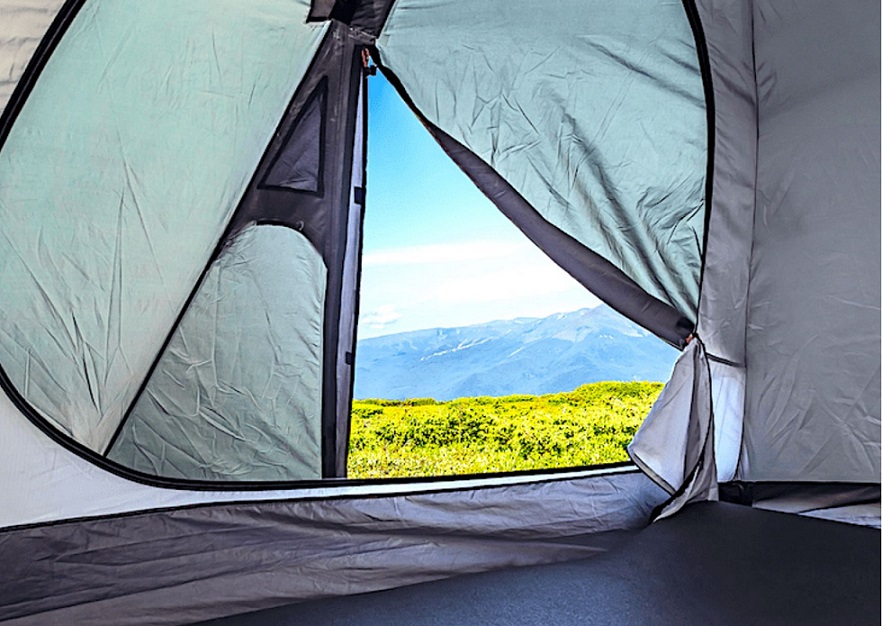
Detailed instructions on how to lock a tent
Ensuring security during a camping excursion involves a methodical approach to fortifying your shelter and fostering a safe outdoor haven.
Choosing a safe campsite
- Terrain assessment: survey the terrain for a flat and even surface, free from rocks, roots, or sharp objects that might puncture the floor or cause discomfort while sleeping.
- Elevation and drainage: avoid low-lying areas susceptible to flooding or collecting water during rainfall. Opt for higher ground to prevent water accumulation around the tent, ensuring a dry and comfortable camping experience.
- Proximity to water sources: while convenient access to water is beneficial, ensure a safe distance from rivers, streams, or tides that might rise unexpectedly, potentially causing flooding or compromising the tent’s safety.
- Wildlife consideration: use common sense be mindful of wildlife habitats and avoid camping near areas with visible signs of animal activity to prevent unwanted encounters or disturbances.
Securing the tent with stakes and guylines
Stakes for stability: use high-quality stakes, preferably made of durable materials like aluminum or titanium, to firmly anchor the tent to the ground. Drive the stakes into the soil at a slight angle away from the tent, ensuring they’re fully inserted and creating a stable hold.
Guyline placement: identify the tent’s anchor points designed for guylines. Attach guylines securely to these points, typically located at the tent’s corners or along its sides. These guylines should extend outwards and be secured to stakes driven into the ground at an angle, forming a taut line to provide lateral support.
Tension adjustment: maintain an optimal level of tension in the guylines without overstretching them. Taut guylines contribute to the tent’s structural integrity by distributing tension evenly across the fabric, preventing excessive stress on specific areas.
Angle and positioning: angle the guylines away from the tent at approximately 45 degrees to the ground, allowing for effective resistance against lateral forces such as wind. Ensure that the guylines are not obstructing pathways or areas of frequent movement within the campsite.
Reinforcement for weather conditions: in adverse weather conditions or high winds, consider using additional guylines or stakes to reinforce the tent’s stability. This extra support can be especially beneficial in maintaining the structure of your tent and preventing damage.
Regular maintenance: periodically check the stakes and guylines for tension and integrity, readjusting as necessary. Changes in weather, soil conditions, or prolonged use may require occasional tightening or repositioning to ensure continued stability.
Alternative anchoring techniques: in environments where traditional stakes may not be effective (e.g., rocky terrain or sand), explore alternative anchoring methods such as sandbags, heavy rocks, or specialized anchors designed for specific ground types.
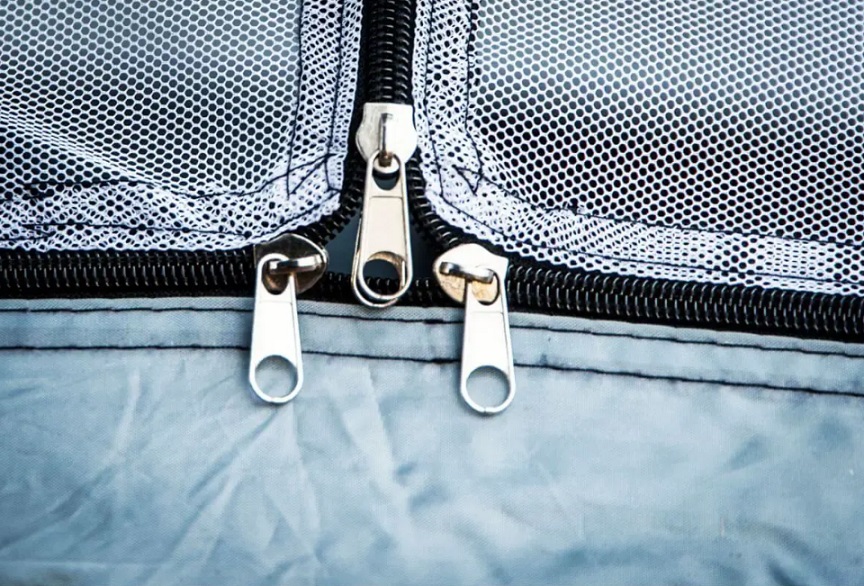
Implementing the best tent locks
Implementing an effective tent lock is a crucial step in fortifying its security during camping expeditions.
Padlocks and zipper security
Choose a suitable padlock: select a padlock that fits your tent’s zipper pulls or loops. Ensure it is sturdy, weather-resistant, and provides the necessary security level.
Prepare the tent zippers: close all tent walls completely, aligning the teeth of the zipper tracks.
Thread the padlock: insert the shackle of the padlock through the holes of the zipper pulls or loops. For tents with double zippers, ensure both sets of zippers are securely fastened together.
Secure the padlock: once the padlock shackle is threaded through the zipper pulls, click or snap the padlock shut. Test the padlock to confirm it’s properly locked and the zippers cannot be separated without the key or code.
Store keys: keep the keys to the padlock in a safe place. Avoid storing the keys inside the tent for security reasons.
Combination locks
Select a suitable lock: choose a combination lock suitable for your tent’s security needs.
Prepare the tent zippers or entry points: close all the tent’s zippers or entry points securely.
Set your personalized code: follow the manufacturer’s instructions to set your desired combination on the lock. Usually, this involves aligning the numbers to a specific code while following the lock’s instructions for customization.
Thread the lock through the zipper Pulls or Loops: insert the shackle of the lock through the designated holes in the zipper pulls or loops.
Secure the lock: once the shackle is inserted, press or snap the lock shut. Ensure the lock is securely closed and cannot be easily removed without the correct combination.
Remember the code: memorize the combination code or keep it in a secure location.

Cable locks
- Select a flexible cable lock: choose a flexible cable lock that suits the tent size and security needs. Ensure the cable is long enough while being sturdy and resistant to cutting or tampering.
- Identify attachment points: locate strong and secure attachment points on your tent where the cable can be looped through or around to effectively secure the tent.
- Thread the cable through the attachment points: pass one end of the cable through the designated attachment points on the tent door, such as loops, handles, or other secure areas.
- Loop and secure: create a loop or multiple loops with the cable around the attachment points, ensuring a snug and tight fit without excessive slack. Make sure the looped cable cannot be easily slipped off or loosened.
- Insert and lock the cable ends: once the cable is looped securely through the attachment points, bring the ends of the cable together and insert them into the locking mechanism of the cable lock.
- Engage the lock: lock the cable ends together using the cable lock’s mechanism. Ensure the lock is firmly engaged, and the cable cannot be pulled or tampered with to release it without the correct key or combination.
Tent-specific locks
Choose the appropriate tent lock: select a lock that aligns with your tent’s design and features. These locks are often designed to fit grommets or specific attachment points.
Identify the locking points: locate the designated locking points or attachment areas on your tent where the tent-specific lock can be secured. These points might be near the zippers, flaps, tent door, or other entry points.
Attach the lock to the designated area: insert the locking mechanism of the lock into the specified grommet or attachment point. Ensure a proper fit that snugly secures the fabric without causing damage.
Engage the locking mechanism: activate the locking mechanism according to the manufacturer’s instructions. This might involve turning a key, sliding a latch, or using a specialized mechanism to secure the lock in place.
Internal locking systems
- Identify the internal locking mechanism: locate the internal locking system within your tent. These systems might include lockable zippers, clips, or mechanisms designed to secure the tent’s entry points from the inside.
- Prepare the tent zipper or entry points: Close the tent zipper of the tent door or entry points securely from the inside. Ensure that all openings are properly aligned and closed before engaging the internal locking system.
- Activate the locking mechanism: engage the internal locking system according to the tent manufacturer’s instructions. This might involve using a sliding latch, flipping a switch, or rotating a mechanism to secure the entry points.
- Ensure accessibility: confirm that the internal locking system does not hinder your ability to exit the tent quickly in case of emergencies. It should provide a secure lock while allowing for convenient and swift egress when needed.
- Remember the locking method: familiarize yourself with the process of disengaging or unlocking the internal mechanism. Ensure you can easily access and release the lock when required without any difficulty.
Additional deterrents for added security
Motion-sensitive alarms: consider installing motion-detecting alarms near the tent entrance or around the camping area. These alarms trigger an alert when they detect movement, serving as an effective deterrent against potential intruders with bolt cutters that can easily make the tent open.
Perimeter tripwires: set up discreet tripwires around the campsite perimeter, connected to audible alarms or alert systems. When tripped, these wires activate alarms, alerting campers of any unauthorized movement around the tent.
Wildlife repellents: use scented repellents or ultrasonic devices specifically designed to deter wildlife. These repellents emit odors or sounds that discourage animals from approaching the tent, reducing the risk of interference or disturbances.
Visibility and neighboring campers: opt for a visible campsite location within proximity to other campers. Increased visibility discourages potential intruders and fosters walking past a sense of security through communal awareness and support.

Conclusion
Ensuring a robust defense for your locked tent fosters a secure and tranquil camping experience amidst nature’s unpredictability, promising both safety and peace of mind.
FAQ
Is there any way to lock a tent?
Yes, there are various methods to lock a tent, including using only a rope or lace, padlocks, combination locks, tent-specific locks, and internal locking mechanisms.
How do I keep my tent from being stolen?
How to lock a tent? Secure your tent using a tent lock, store valuables inside (ideally, under your sleeping bag), use deterrents like alarms, and maintain visibility within the camping area by collaborating with neighboring campers.
Do they make tents with locks?
Yes, some tents come equipped with integrated locking systems or specific features allowing for the attachment of locks to secure tent openings.
