

A camping trip with a new puppy is an exciting adventure that combines the fun of being outside with the task of acclimating your pet to the wide spending time outdoors. Dog owners must make sure their puppy has received all of their immunizations before going on their first camping vacation.
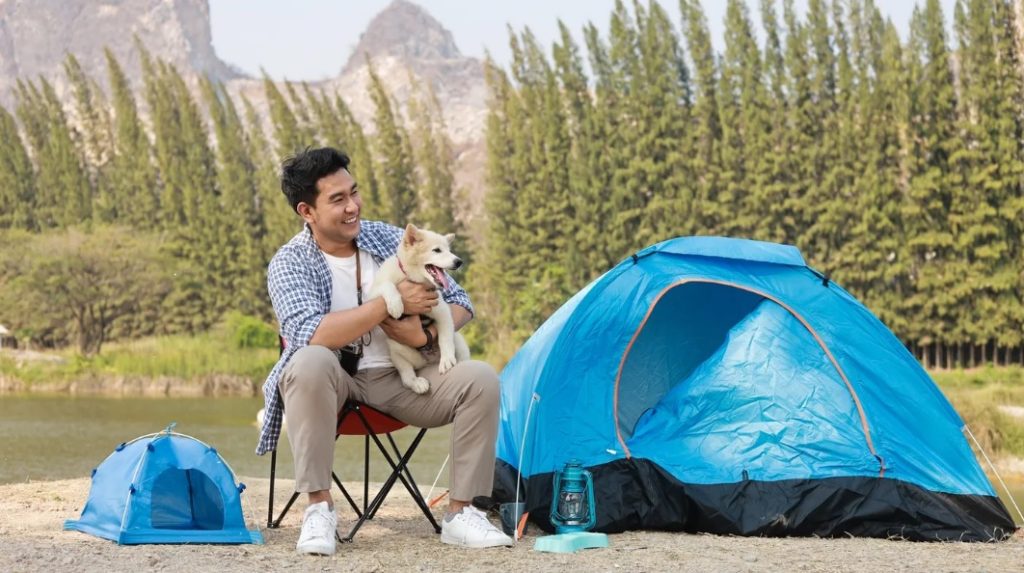
This is particularly crucial to protect both you and your unvaccinated puppy from possible threats such as other wild animals. When getting ready for a puppy camping trips, don’t forget to take your dog’s requirements into account.
Pet-friendly camping equipment is essential, such as a robust dog bed, a long-lasting dog’s collar, and a safe sleeping bag where your dog sleeps next to you. Recall that a puppy’s first camping trip may be stressful, so you must watch them carefully to make sure they don’t get lost.
Even those dog owners who have been camping before, taking a new puppy along offers a different experience. Puppies are more inquisitive than adult dogs and may find other animals or dog parks fascinating, so it’s a good idea to keep them on a leash.
The camping adventure that includes dogs, including a walk or trip to the dog park, can be exciting, but you should always think about your puppy’s safety first. First aid is still another important factor. Dogs can sustain minor injuries when doing camping trips, just like people do, so include a dog-friendly first aid kit in your camping gear. Do not overlook dog food either! A happy camper is a puppy that is fed well.
When is a puppy the best age to start going camping?
Generally, a puppy should be taken camping when it is between four and six months old. This is an important age group for several reasons.

First off, the majority of puppies have by now had all of the necessary vaccines, which is crucial for their security when taking a puppy camping.
These shots shield them from a variety of illnesses that they may come into contact with outside, particularly while interacting with wildlife.
Second, puppies can generally be trained more easily and adjust to new surroundings more readily at this age. This flexibility is essential for the puppy camping trip since it teaches them how to act in various situations, like as coming across adult dogs or exploring unfamiliar areas.
Additionally, it’s a great opportunity to instill in children the importance of staying put, which is a crucial safety tip when camping.
Starting at this age also gives your puppy time to become used to all the many facets of dog camping. This covers enduring various weather conditions, spending time around a campfire, and sleeping in a tent. It’s also a good idea to teach kids manners and commands unique to camping.
Finally, don’t forget to provide a first aid package tailored to your puppy.
This should have supplies that are appropriate for the size and requirements of your puppy so that you are ready for any small accidents or problems that may occur during their first camping trips. When you take your puppy camping for the first time within this recommended age range, you’re laying the groundwork for a lifetime of exciting and fun outdoor experiences.
What are the must-haves before going puppy camping?
Up-to-date vaccines. Before the camping trip, make sure your dog has received all their vaccinations and that they are up to date.

Pick dog-friendly campsites. Make sure the place you choose is accommodating to your puppy’s needs and is dog-friendly.
Training to stop wandering. It’s crucial to teach your puppy not to stray, especially when camping with many dogs.
Plan dog-friendly activities. When you go camping, make sure there are fun things for you and your puppy to do.
Preparations for car camping. If you’re planning to go car camping, make sure your vehicle is set up to safely transport your puppy and all required equipment.
Dog-safe gear. Bring the necessary supplies, including a leash, collar with ID tags, harness, dog bed, water and food bowls, suitable dog food, and toys.
First aid kit. Keep it tailored for puppies on hand to handle any small wounds or health problems your furry friend may experience.
Having fun outside. Make sure your puppy is comfortable and safe when playing outside by taking the weather and terrain into account.
You can make sure that your camping trip with your puppy is safe, entertaining, and unforgettable by making the necessary preparations.
How can you help your puppy become used to camping?
To help your puppy become used to the camping atmosphere, take the following actions.
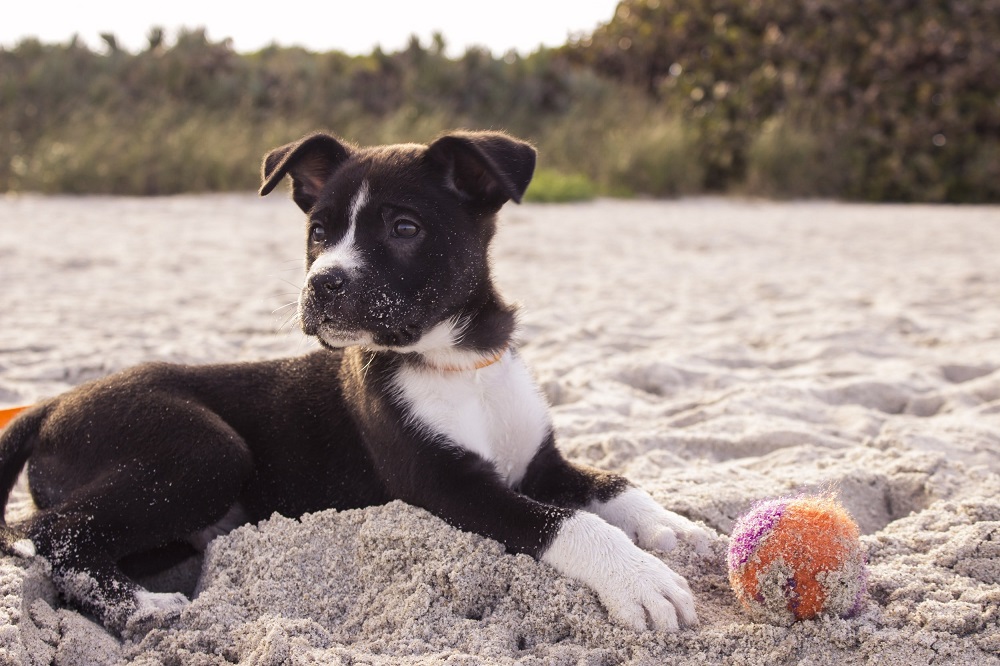
Time spent outside
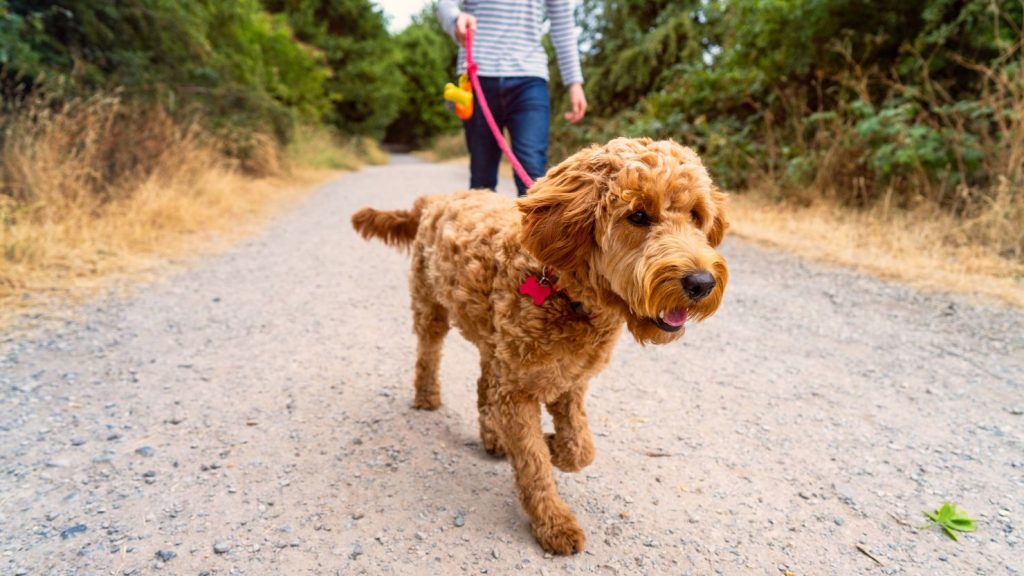
Increase the amount of time you and your puppy wander outside gradually. This can apply to outings in any outdoor space, such as parks and nature trails. Your dog will be more at ease when you go camping the more they are accustomed to being outside in various conditions.
Camping gear familiarization
Familiarize your puppy with camping equipment by introducing it to it at home.

Permit them to investigate and smell the sleeping tent, and other gear. During the actual camping trip, this lessens nervousness or curiosity about unfamiliar things.
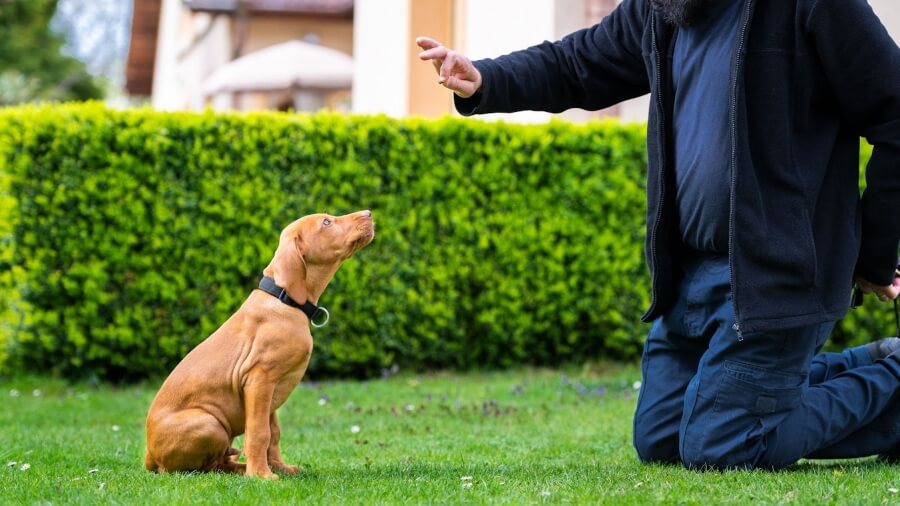
Regular training
It’s important to teach your puppy to obey commands regularly, especially when camping. Using cues like “stay” and “come,” you can keep your puppy from getting lost, especially in the presence of other dogs.
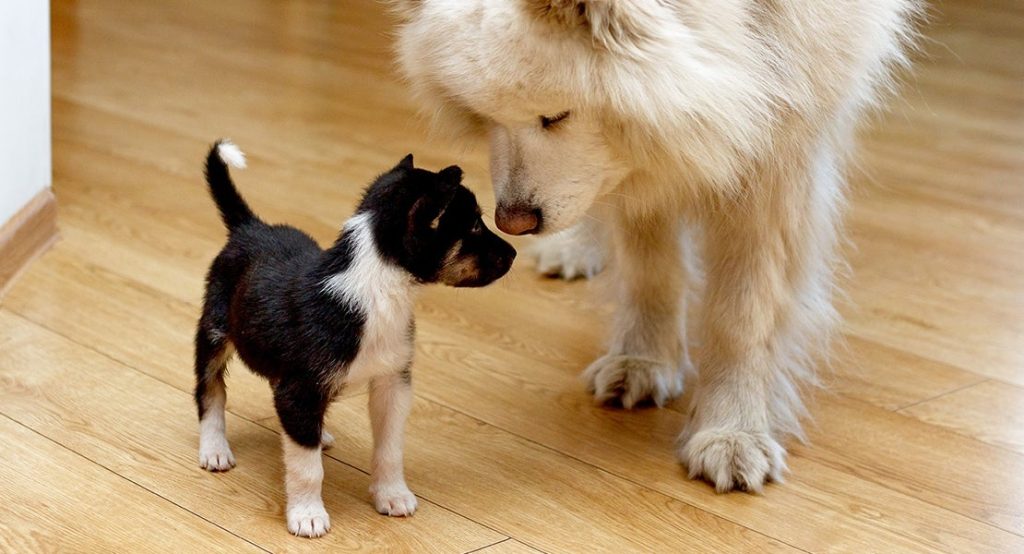
Socialization with other dogs
Introduce other canines to your puppy in safe settings. Playdates, socialization workshops, and dog parks may be examples of this. Since they will probably come into contact with a lot of dogs while camping, the goal is to help them feel at ease with other dogs.
Mock camping at home
Have you and your pet ever pitched a tent in the backyard and spent some time there? This is a fantastic method to mimic camping and maybe a fun workout as well.
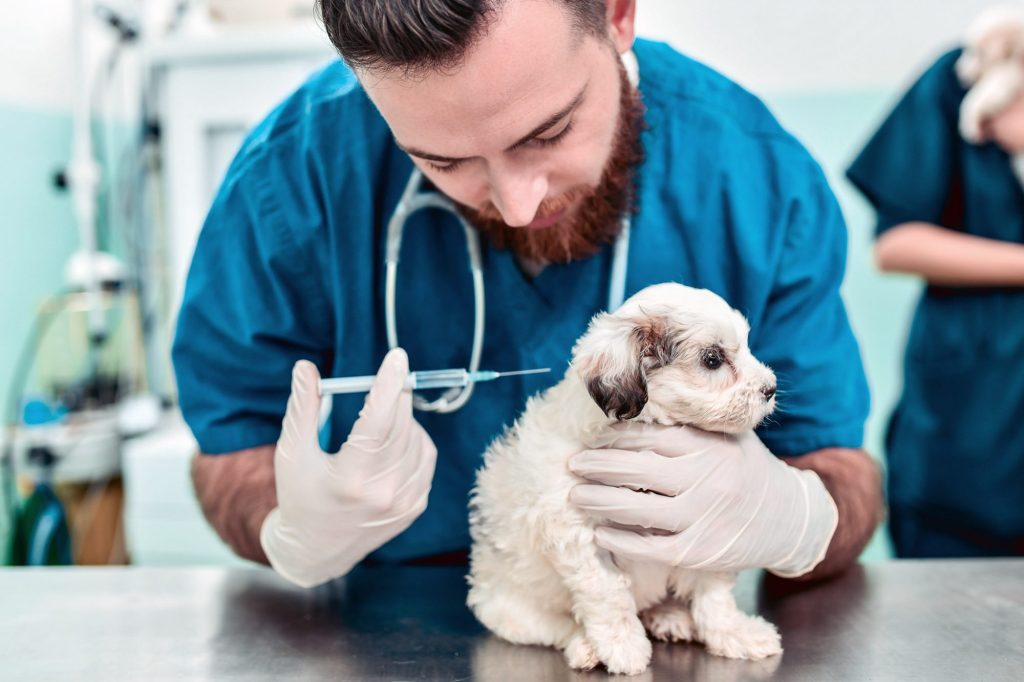
Current health exams
Make sure your puppy has received all of the recommended vaccines and examinations. A healthy puppy is more robust and adaptive in unfamiliar situations.
Positive reinforcement
When your puppy acts well in these novel circumstances, reward them with positive reinforcement approaches. Playtime, praise, and treats work well as reinforcers for positive camping behavior.

You can make sure that you and your puppy have a great time on your outdoor adventures by following these steps to assist your puppy in becoming used to the camping environment.
You should consider taking your dog camping if…
- There won’t be any extreme heat or cold.
- You’re sure that you can monitor them closely at all times.
- Your tent has ample room for your dog to sleep comfortably.
- You’re prepared to bring your dog along with all necessary equipment, including a collar and leash, food and water bowls, blankets, toys, etc.
- They don’t exhibit extreme shyness, anxiety, or fear of unfamiliar situations.
- Their progress with potty training is going well.
- When it comes to learning fundamental commands like sit, remain, and so forth, they are progressing well.
- The process of acclimating them to other people and pets has already started.
- You can acknowledge the chance that they may have an accident inside your tent and be ready for it.
- You’ll be able to schedule daily activities like play and exercise.
You should reconsider taking your puppy camping if…
- You intend to camp in an extremely hot and muggy environment.
- It’s predicted to get rather chilly at night.
- The middle of bug season is here.
- There isn’t room in your tiny tent for a dog box.
- There’s a very real possibility that something will go wrong within the tent.
- Certain sights, sounds, and odors have the potential to cause anxiety and terror.
- There can be overstimulating sights, noises, and odors.
- During the day, you’ll be too preoccupied with camp duties and activities to spend much time with them.
- The area where you intend to camp has poisonous plants. There’s also a chance of encountering dangerous creatures, such as bears, wolves, coyotes, etc.
- When choosing whether or not to take your puppy camping, it’s crucial to take all of these aspects into account. Puppies and dogs in general differ depending on their breed and unique characteristics.
- Here are some suggestions to help ensure that your camping trip with your dog is safe and fun for all parties involved.
Important items for a dog-owning camp
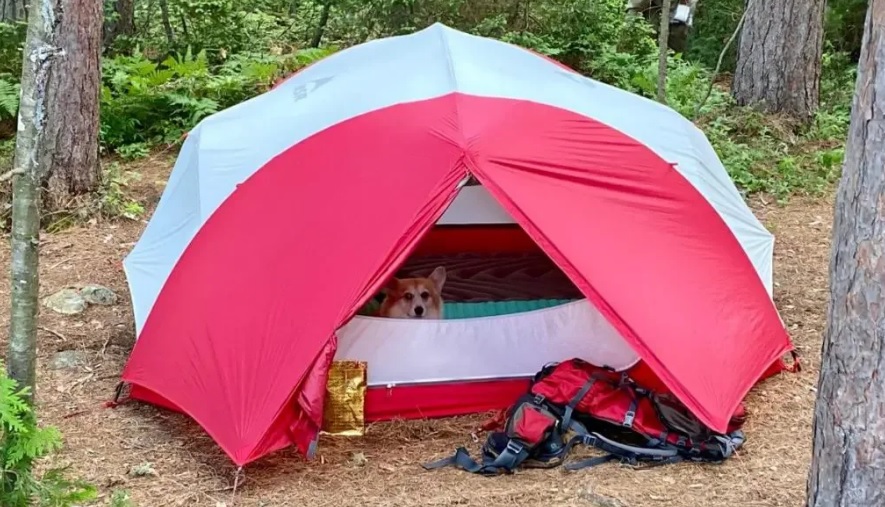
Camping pet-friendly means packing everything your dog will need for a safe and enjoyable trip, in addition to the necessities. Among the necessities for dog camping are:
- A plate and food
- A water bowl
- Dog goodies
- Prescription medications, if necessary
- Tether or stake
- Additional towels
- A first aid kit for dogs
- Toys safe for outdoor use
- A tether
- A recent image
- Veterinary medical records and data
- An ID tag that can be attached
- Bags for dog excrement
The following dog camping equipment is suggested but not necessary:
- A canine comb
- An outdoor harness
- A leash that is safe to swim in
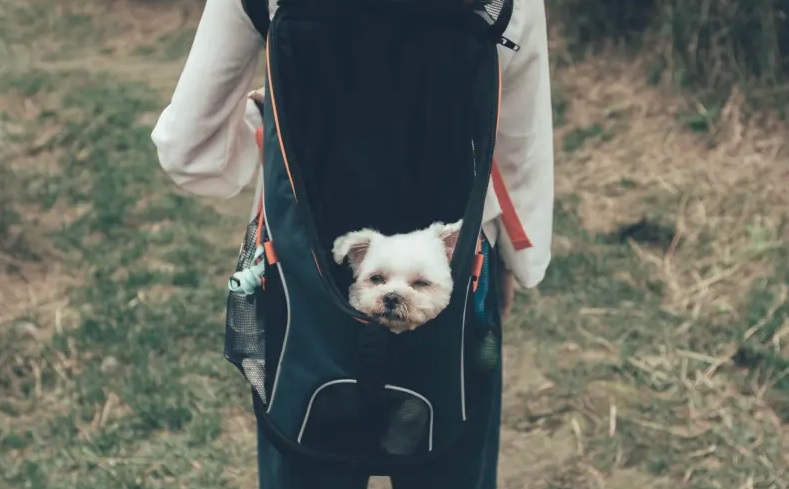
- A daypack for dogs
- The bed of your dog
- A raincoat for dogs
- Booties or paw guards
- For your dog’s stuff, think about using a different bag to keep everything tidy.
Tips for camping with your dogs
The following advice will help to make your camping vacation with your pet safe and enjoyable:
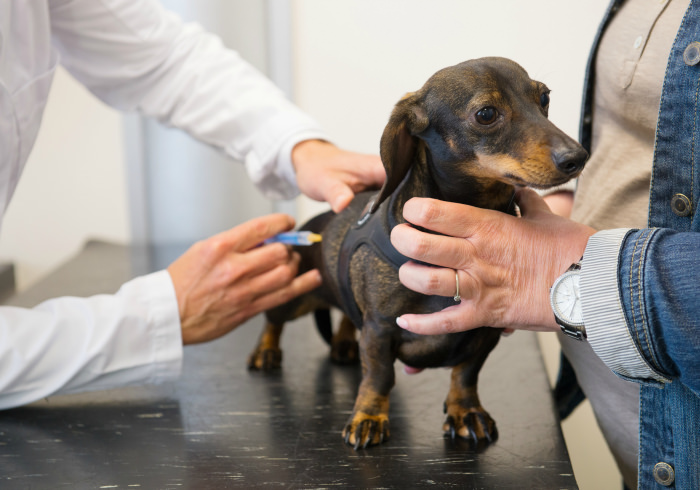
See the veterinarian beforehand. Verify that your dog has received all necessary vaccines, and look for any health issues that could be made worse by camping.
Choose a campsite that allows dogs. Look for and choose campgrounds with amenities that are appropriate and that accept them.
Teach your dog to camp. Teach your dog basic commands and appropriate outside behavior, particularly around dogs and people, to help him get ready.
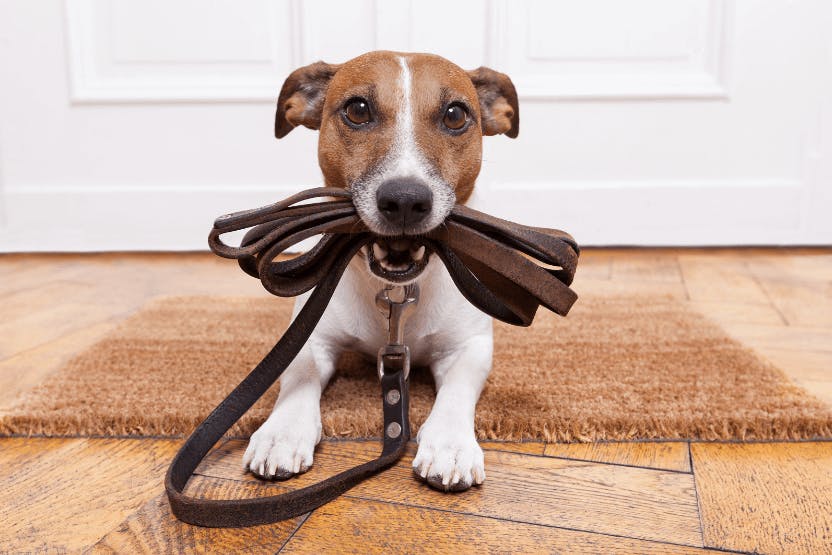
Carry the necessities. Bring everything your dog needs, such as food, water, bowls, a leash, blankets, toys, and any prescription medications.
Keep your dog secure and safe. Use a leash or harness when necessary, keep an eye on your dog at all times, and for nighttime visibility, think about getting a reflective collar or light.
Prevent insect invasion. Make sure your dog has heartworm, flea, and tick protection. A dog-safe insect repellant might be used.
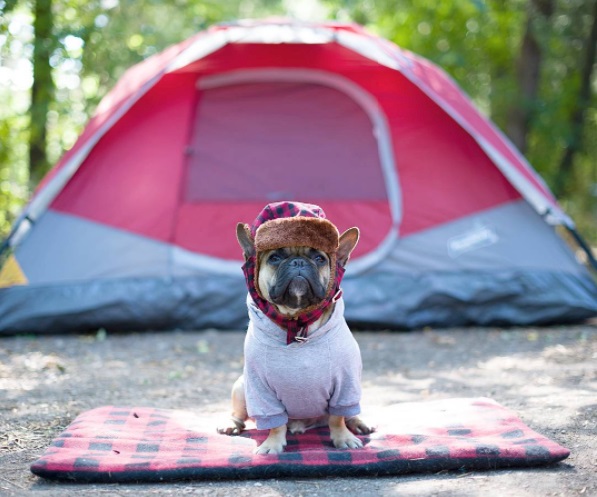
Assign cozy sleeping accommodations. To provide your dog with a cozy and familiar sleeping area, bring along a dog mat.
Continue to eat and hydrate. Make sure your dog is getting enough food and water by keeping an eye on their intake.

Always be ready for emergencies. Keep a canine aid kit on you and be aware of where the closest vet is located.
Don’t leave any traces. Remember to respect wildlife and natural resources and pick up after your dog.
Ensure their entertainment. When your dog is idle, bring toys or other objects to keep them occupied.

Get your dog used to camping equipment. Before the trip, acquaint your dog with sleeping bags, tents, and other camping equipment.
Observe how they act. If your dog exhibits any signs of stress or discomfort, take note of these signs and modify your plans accordingly.
Show others consideration. Keep your dog under control and quiet to show respect for other campers.

Savor the moment. Recall that the main objectives are to enjoy yourself and make enduring memories with your dog.
These pointers can help you and your dog have a fun, safe, and adventurous camping trip that offers lots of chances for bonding.
Can all breeds go camping?
Depending on several variables about each dog’s physical capabilities, temperament, and general health, not all dog breeds are suitable for camping. This is an explanation:
Age and health
Generally speaking, dogs of any breed that are in excellent health and are not too young or too elderly can go camp. Dogs who are older or puppies may have certain requirements that make them unsuitable for camping.
Temperament
An important factor is the dog’s temperament. Aggressive, excessively nervous, or poorly socialized ones may find camping uncomfortable and possibly dangerous for other campers or nearby wildlife.
Physical capabilities
Certain breeds are more physically fit for the rigors of camping than others. Bulldogs and pugs are examples of breeds with short noses that may have trouble breathing, particularly in warm weather or during vigorous exercise.
On the other hand, breeds designed for endurance, like shepherds or retrievers, are typically better adapted to the strenuous nature of camping.
Size
While it’s not a hard-and-fast rule, size can play a role. While tiny breeds are easier to carry when necessary but may find it difficult to adapt to tough terrain, large breeds are better suited for longer excursions but may be more difficult to fit inside a tent.
Coat type
A dog’s appropriateness for camping may also depend on the type of coat they have. While short-coated breeds may require protection in cooler regions, thick-coated varieties are better suited for colder climates but may suffer in the heat.
Training and obedience
Well-mannered dogs who comply with instructions are more manageable when camping. Both their safety and other people’s enjoyment depend on this.
Breed-specific restrictions
It’s vital to confirm in advance whether a campground allowsones of a certain breed.
FAQ
At what age can you take a puppy camping?
When a puppy is roughly 12 weeks old and has had all of their shots, you can take them camping. This is essential to keep them safe from illnesses they might come across outside.
It’s also an excellent age because pups can learn to like camping vacations at a young age and are more adaptive.
How do you prepare a puppy for camping?
There are multiple phases to getting a puppy ready for camping. To ensure your dog doesn’t get afraid of these unfamiliar objects, first acquaint them with camping gear at home, such as a tent or sleeping bag.
You can also prepare your puppy for the variety of experiences that come with puppy camping by teaching them to obey and gradually exposing them to different people, places, and dog breeds. Finally, it’s imperative to train your puppy on a leash before the trip to ensure they don’t get lost.
Where should I keep my dog while camping?
It is safest to spend the night in your tent with your dog when camping trip. This guarantees they won’t get lost or come across untamed creatures. Provide a special spot for dog camping during the day where they can unwind with a bed and some toys. Always keep an eye on your dog, particularly when other people are nearby.
Can a puppy sleep in a tent?
Puppies can sleep in tents, yes. Since it gives them a sense of comfort and warmth, taking your puppies camping is advised. Keep the puppy’s sleeping space dry and clean, and make sure your camping gear includes a comfy bed. The strange surroundings, also make the puppy feel more at home.
Conclusion
Finally, going camping with a puppy is an experience that offers growth and bonding beyond the simple act of going camping trips.
Camping with your puppy, especially in these early months, lays the groundwork for a lifetime of experiences. Your puppy picks up new skills and adjusts with every excursion, eventually becoming a well-seasoned canine camping partner.
It’s important to be in a dog-friendly setting for your puppy’s safety as well as the comfort of everyone around you, including other dogs.
One of the most important aspects of keeping your puppy safe is making sure they don’t get lost. This is particularly valid for situations involving automobile camping, where there may be increased traffic and strange surroundings.
Another important tip is to always have first aid available so you’re ready for any small accidents that may happen.
The coming of camping season is something you and your puppy look forward to. To protect your pet’s health and safety when they interact with other canines and unfamiliar situations, you must ensure they have received the necessary vaccines.
Essentially, the goal of taking your puppy camping is to raise an adult dog who is responsible and well-adjusted, in addition to loving the great outdoors. Your relationship with your puppy is strengthened by this educational and exploratory voyage, which turns every camping trip into a treasured memory of your shared life.
